Explore the Essential Importance of Routine Furnace Maintenance for Homeowners
Boost Your Home's Comfort with Regular Furnace Maintenance

Regular furnace maintenance is vital for homeowners, especially in regions like Whistler, where winter temperatures can drop significantly. By committing to periodic maintenance, you ensure that your furnace runs at maximum efficiency, which can lead to considerable savings on energy costs and prolong the lifespan of your heating system. A properly maintained furnace enhances your indoor comfort and plays a critical role in protecting your home from potential heating failures. Notably, the most significant benefits of consistent furnace maintenance are:
- Improved energy efficiency
- Increased lifespan of your heating unit
- Lower energy bills
- Enhanced indoor air quality
- Reduced likelihood of mechanical failures
- Strengthened safety protocols
- Retention of warranty coverage
Investing in regular maintenance brings peace of mind, ensuring that your heating system is well-equipped to handle the challenges of Canadian winters with reliability and confidence.
What Warning Signs Indicate Your Furnace Needs Servicing?
Recognizing the warning signs that your furnace may require professional servicing is crucial to prevent more severe issues from arising. Unusual sounds, decreased heating efficiency, or unexpected spikes in your energy bills all suggest underlying problems that need attention. Pay attention to these common symptoms indicating that your furnace may require immediate servicing:
- Unusual and loud noises during operation
- Inconsistent heating across different rooms in your home
- Rising energy bills without changes in usage patterns
- Frequent cycling on and off
- Burning smells or other strange odours
- Yellow pilot light instead of the usual blue
- Visible rust or corrosion on the unit
By identifying these warning signs early, you can prevent costly repairs and ensure that your furnace continues to operate safely and effectively throughout the cold winter months.
How Frequently Should You Schedule Furnace Servicing?
To keep your furnace in optimal condition, it is generally advisable to have it serviced annually. However, the specific needs of your furnace may vary based on several factors, including its age, frequency of usage, and local climate conditions. Consider the following elements that can influence how often you should plan for furnace servicing:
- Age of the furnace
- Type of fuel used (gas, electric, oil)
- Usage patterns (how often it operates)
- Quality of insulation and the size of your home
- Presence of pets or allergies within the household
- Local climatic conditions
Understanding these factors allows you to establish the most effective maintenance schedule for your specific furnace, ensuring it operates efficiently throughout the entire heating season.
What Practical DIY Strategies Can Enhance Your Furnace’s Performance?
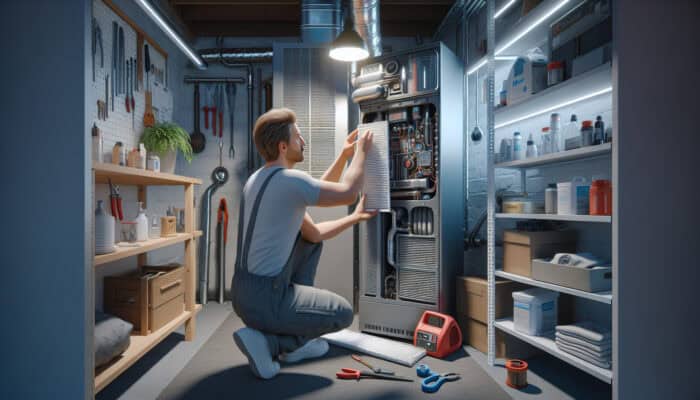
While professional servicing is crucial, several straightforward DIY maintenance tasks can significantly improve your furnace’s efficiency. Taking an active role in your furnace maintenance helps prevent minor issues from escalating into expensive repairs. Here are some practical DIY maintenance tips you can easily implement:
- Replace or clean air filters every 1-3 months to ensure unobstructed airflow.
- Ensure vents and registers are clear of obstructions to maintain proper air circulation.
- Inspect ductwork for visible leaks and seal any gaps.
- Keep the area surrounding the furnace clean and free from debris.
- Test the thermostat periodically for accuracy and functionality.
- Inspect the blower motor and lubricate it if necessary to maintain efficiency.
- Check the flue pipe for blockages to ensure proper ventilation.
By regularly performing these tasks, you help maintain optimal airflow and system efficiency, which ultimately extends your furnace's lifespan and keeps your home warm during the colder months.
Insights from Experts on Furnace Services Available in Whistler
What Unique Challenges Does Whistler’s Climate Present for Heating Systems?
The climate in Whistler introduces unique challenges for heating systems. With winter temperatures often dropping below freezing, the need for dependable and efficient heating solutions becomes paramount. The cold, damp conditions require robust furnace systems capable of managing significant temperature swings. Homeowners must consider the impact of heavy snowfall and the potential for ice damming, which can obstruct furnace venting. Local expertise is invaluable when selecting a furnace; for instance, choosing models specifically designed for cold-weather performance can significantly enhance your home’s heating efficiency. Additionally, factors like insulation quality and your home's orientation play critical roles in determining the appropriate furnace.
How to Choose the Right Furnace Service Provider?
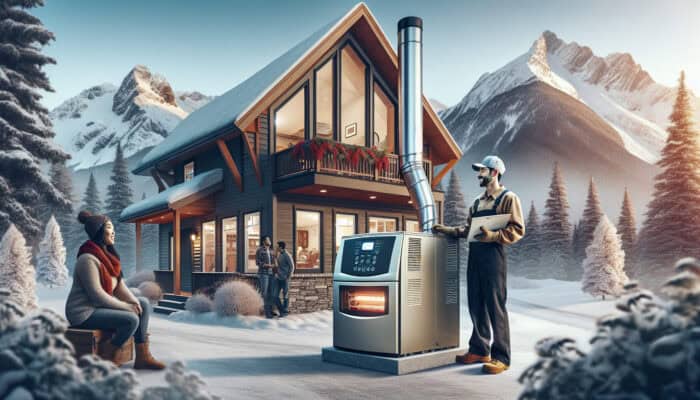
Selecting a reliable furnace service provider in Whistler is essential for ensuring your heating system receives the care it requires. Seek professionals who have established strong reputations, hold relevant certifications, and possess extensive experience within the local market. Customer reviews can provide valuable insights into the quality of service received. Many homeowners in Whistler highly recommend local providers who specialize in high-efficiency heating systems tailored to the region’s unique climate. It's wise to request quotes from multiple companies and carefully review their service offerings, warranty details, and response times. Building a relationship with a reputable local provider can guarantee that your furnace receives exceptional care throughout its operational lifespan.
What Are the Latest Innovations in Furnace Technology?
The field of furnace technology is constantly evolving, with new innovations aimed at enhancing efficiency and user convenience. A prominent trend in this industry is the integration of smart thermostats, which improve control over home heating. These advanced devices allow homeowners to program heating schedules, monitor energy consumption, and even manage their systems remotely via mobile applications. Moreover, manufacturers are increasingly focused on developing energy-efficient models with higher Annual Fuel Utilization Efficiency (AFUE) ratings. These high-efficiency furnaces reduce energy usage while ensuring consistent indoor comfort. Keeping up-to-date with these trends empowers homeowners to make informed decisions when upgrading their heating systems.
Identifying Common Furnace Problems and Solutions
What Are the Most Common Issues Faced by Furnaces?
Many common issues can jeopardize furnace performance, resulting in discomfort and increased energy expenses. Early identification of these problems is crucial for maintaining a reliable heating system. Frequent furnace issues include:
- Pilot light problems that may prevent the unit from igniting
- Thermostat malfunctions that disrupt heating
- Clogged or dirty filters that restrict airflow
- Blower motor failures that impede circulation
- Inadequate heating in specific areas of your home
- Frequent cycling on and off that results in wear
- Strange noises during operation that may indicate trouble
By promptly recognizing these symptoms, homeowners can engage in effective troubleshooting and seek timely professional assistance, ensuring their furnace operates smoothly throughout the winter season.
How to Effectively Troubleshoot Basic Furnace Issues?
Often, basic troubleshooting can resolve minor furnace problems without the need for professional assistance. These simple steps can save homeowners both time and money while ensuring their heating systems function correctly. Here’s a checklist of basic troubleshooting measures to consider:
- Check the thermostat setting to ensure it is in heating mode.
- Inspect and replace dirty air filters as needed to maintain airflow.
- Ensure all vents and registers are open and unobstructed.
- Examine the power supply and circuit breakers affecting the furnace.
- Look for visible signs of leaks or corrosion that require attention.
- Reset the furnace according to the manufacturer’s guidelines.
- Check for gas supply issues where applicable to avoid hazards.
By following these steps, homeowners can often resolve minor issues before they escalate into significant problems that necessitate professional repair services.
When Should You Seek Professional Help for Furnace Repairs?
Recognizing when to seek professional assistance is crucial for maintaining your furnace and ensuring safety. If basic troubleshooting efforts do not yield results, or if you encounter more complex issues, reaching out to a professional is essential. Safety should always be your top priority, particularly with gas furnaces, which can pose significant risks if not managed correctly. Signs indicating you need professional assistance include:
- Persistent unusual noises even after troubleshooting
- The furnace fails to provide heat despite correct thermostat settings
- Unexplained spikes in energy bills that raise concerns
- Visible damage or rust on the furnace unit
- Presence of unusual odours, like gas or burning smells
- Frequent system cycling or total failure to start
- Inadequate heating in specific areas of your home
Contacting a professional can help prevent further complications and ensure the safety and reliability of your heating system throughout the cold season.
Enhancing Energy Efficiency with Your Furnace
What Strategies Can You Employ to Improve Your Furnace’s Energy Efficiency?
Improving your furnace’s energy efficiency is crucial for reducing heating expenses and enhancing overall comfort in your home. Several strategies can boost your furnace’s performance while minimizing energy consumption. Consider implementing the following energy-saving measures:
- Schedule regular maintenance to keep the system functioning optimally.
- Upgrade to a high-efficiency furnace model for improved performance.
- Seal ducts to eliminate air leaks that waste energy.
- Insulate your home to reduce heating demands.
- Utilize programmable thermostats for better temperature control.
- Consider zoning systems for larger homes to optimize comfort.
- Regularly clean and replace filters to ensure adequate airflow.
By adopting these practices, homeowners can significantly enhance their furnace’s energy efficiency, resulting in lower utility bills and a reduced environmental footprint while enjoying a warmer home.
What Advantages Do Energy-Efficient Furnaces Provide?
Energy-efficient furnaces offer numerous benefits that extend beyond cost savings. Investing in an energy-efficient model can lead to various advantages, including:
- Lower heating bills due to decreased energy consumption
- Increased comfort levels with consistent heating throughout your home
- Reduced carbon footprint, contributing to environmental sustainability
- Increased home value with modern, efficient heating systems
- Enhanced indoor air quality through improved filtration
- Less frequent repairs and maintenance needs
- Access to government rebates and incentives for energy-efficient upgrades
These benefits make energy-efficient furnaces a sound investment for homeowners looking to optimize their heating solutions and improve their living environments.
How to Choose an Energy-Efficient Furnace Model?
Selecting the right energy-efficient furnace model involves understanding essential features and technical specifications. When choosing a new furnace, consider the following factors:
- AFUE ratings: Look for models with high AFUE percentages (90% or higher) for optimal efficiency.
- ENERGY STAR certification to ensure compliance with efficiency standards.
- Variable speed motors which enhance airflow and energy efficiency.
- Modulating burners that adjust heat output according to demand.
- Advanced filtration systems for superior indoor air quality.
- Smart technology compatibility for remote control and monitoring capabilities.
- Warranty options and the service reputation of the manufacturer.
By carefully evaluating these aspects, homeowners can choose a furnace model that delivers long-term savings and enhances overall comfort levels in their homes.
Understanding the Financial Aspects of Furnace Services
What Factors Influence the Cost of Furnace Services?
Understanding the various cost factors associated with furnace services is essential for effective budgeting. Several elements can impact the cost of servicing your furnace, including:
- The type and brand of furnace
- The extent of repairs or maintenance required
- Your geographic location and associated service rates
- Time of year, as peak service periods may incur higher fees
- Availability of replacement parts needed for repairs
- Experience and qualifications of the service provider
- Whether it is a routine maintenance visit or emergency service
Being informed about these considerations can help homeowners anticipate costs and make well-informed decisions when selecting service providers for their furnace needs.
How to Create a Budget for Furnace Maintenance and Repairs?
Establishing a budget for furnace maintenance and repairs is a proactive strategy to avoid unexpected expenses. By planning ahead, homeowners can ensure they have the financial resources available for essential services. Here are some budgeting tips to consider:
- Estimate annual maintenance costs based on previous years’ expenses and service history.
- Set aside a monthly allowance for unexpected repairs or replacements.
- Consider annual service contracts that offer fixed pricing for maintenance services.
- Account for potential costs of upgrading to a more efficient model.
- Be aware of seasonal peaks, scheduling maintenance during off-peak times to save costs.
- Research local service provider rates to obtain accurate estimates for budgeting.
- Factor in potential rebates or incentives for energy-efficient upgrades.
By following these budgeting strategies, homeowners can effectively manage their furnace service costs and ensure their systems remain in optimal condition throughout the heating season.
Are There Financing Options Available for Furnace Upgrades?
Many homeowners may not realize that financing options exist for furnace upgrades, making it easier to invest in energy-efficient systems. Various service providers offer flexible payment plans to accommodate different financial situations. Common financing options include:
- Zero-interest financing programs for qualifying upgrades that improve efficiency.
- Long-term loans with manageable monthly payments.
- Leasing options that allow you to pay for the furnace over time.
- Government rebate programs providing financial incentives for energy-efficient purchases.
- Flexible payment plans that can align with your budgetary needs.
- Promotional financing offers during peak seasons to attract customers.
- Partnerships with local banks for special financing rates that are advantageous.
Exploring these financing options empowers homeowners to make investments that enhance their comfort without causing financial strain.
How Can You Effectively Compare Quotes for Furnace Services?
Comparing quotes from multiple furnace service providers is essential for finding the best value while ensuring quality service. To effectively compare quotes, consider the following tips:
- Obtain written estimates that detail the scope of work to be performed.
- Look for warranties on parts and labor included in the quote for peace of mind.
- Assess the experience and qualifications of the service provider.
- Check customer reviews and testimonials to gauge the provider’s reputation.
- Ask about availability for emergency service and their response times.
- Inquire about additional services offered, such as maintenance plans and discounts.
- Evaluate total costs, including any potential hidden fees that could arise.
By carefully reviewing these aspects, homeowners can make informed decisions ensuring they receive quality furnace services at competitive prices.
Research-Backed Benefits of Regular Furnace Services in Whistler
How Do Regular Furnace Services Impact Home Value?
Regular furnace services can significantly enhance your home’s value, especially in a market like Whistler’s, where potential buyers prioritize efficient heating systems. A well-maintained furnace can serve as a compelling selling point, indicating to buyers that the home has been meticulously cared for. To maximize home value through furnace services, consider implementing the following actionable strategies:
- Document all maintenance and repairs for prospective buyers to review.
- Invest in energy-efficient upgrades that appeal to environmentally conscious buyers.
- Schedule professional inspections to certify the system’s reliability.
- Showcase any warranties or service contracts that accompany the furnace.
- Highlight improvements made to indoor air quality and overall comfort.
- Ensure the furnace complies with local safety regulations to avoid issues.
- Build a relationship with a reputable service provider for ongoing maintenance.
These proactive measures not only enhance your home’s appeal but can also facilitate a quicker sale at a higher price point in the competitive real estate market.
What Long-Term Benefits Can Be Expected from Regular Furnace Maintenance?
The long-term advantages of routine furnace maintenance extend beyond immediate cost savings. While homeowners may often focus on short-term gains, the cumulative benefits of consistent maintenance are substantial. Some long-term benefits include:
- Extended furnace lifespan, delaying the need for expensive replacements.
- Lower energy costs due to improved operational efficiency.
- Enhanced indoor air quality through effective filtration systems.
- Fewer unexpected breakdowns, resulting in less need for emergency repairs.
- Increased home comfort with consistent heating throughout your living space.
- Reduced environmental impact resulting from efficient energy use.
- Peace of mind knowing your system operates safely and reliably.
Investing in regular maintenance ultimately leads to significant savings and a healthier living environment for you and your family.
How Do Furnace Services Contribute to Home Safety?
Safety remains a primary concern regarding furnace operation. Proper furnace maintenance can prevent hazardous situations, such as carbon monoxide leaks or fires. Regular inspections help identify potential dangers before they escalate into serious issues. Common safety improvements resulting from furnace services include:
- Identification and repair of gas leaks that could pose risks.
- Cleaning of burners to prevent soot buildup that can affect performance.
- Inspection of ventilation systems to ensure proper exhaust and airflow.
- Testing of carbon monoxide detectors to ensure functionality.
- Replacement of worn or damaged electrical components.
- Ensuring compliance with local safety standards and codes.
- Providing peace of mind to homeowners regarding heating safety.
By prioritizing furnace services, homeowners can create a safer living environment while ensuring the efficient operation of their heating systems.
Selecting the Ideal Furnace for Your Home
What Types of Furnaces Should Homeowners Consider?
When selecting a furnace, understanding the various types available is essential for making an informed decision. Your choice will depend on factors such as the energy source, budget, and size of your home. The primary types of furnaces include:
- Gas Furnaces: Known for their efficiency and cost-effectiveness, particularly in cold climates.
- Electric Furnaces: Easier to install, requiring less maintenance.
- Oil Furnaces: Common in areas without natural gas access, providing robust heating capabilities.
- Heat Pump Furnaces: Offer both heating and cooling, highly efficient in moderate climates.
Each type has unique advantages and disadvantages, so considering your home’s specific needs and available energy sources is crucial when making your selection.
How to Determine the Correct Furnace Size for Your Home?
Choosing the right-sized furnace is vital for ensuring efficient operation. An undersized unit will struggle to adequately heat your home, while an oversized one will cycle on and off frequently, leading to unnecessary wear and increased energy costs. Factors to consider when sizing a furnace include:
- Home square footage and layout for optimal heating coverage.
- Quality of insulation and R-value throughout your home.
- Local climate conditions and typical winter temperatures.
- Number of windows and their energy efficiency ratings.
- Ceiling height and any additional heat sources present.
- Future changes in space usage or occupancy.
Consulting a heating professional can help ensure you select the appropriate size furnace, maximizing efficiency and overall comfort in your home.
What Key Features Should You Look for in a New Furnace?
When selecting a new furnace, several key features should be considered to guarantee optimal performance and efficiency. Look for:
- High Efficiency Ratings: Pay attention to AFUE ratings for energy use efficiency.
- Smart Controls: Ensure compatibility with smart thermostats for improved temperature management.
- Quiet Operation: Choose models designed to minimize noise levels during operation.
- Advanced Filtration Systems: For improved indoor air quality and health.
- Variable Speed Blowers: For enhanced airflow and energy efficiency.
- Durability: Constructed using high-quality materials for longevity.
- Warranty Options: Look for solid warranties that provide peace of mind.
These features will significantly contribute to your overall satisfaction and efficiency with your heating system, ensuring a comfortable and inviting home environment.
Essential Seasonal Furnace Care Tips
How to Prepare Your Furnace for the Cold Winter Months?
Preparing your furnace for winter is crucial for ensuring optimal performance during the heating season. Taking time to properly prepare your system can prevent costly breakdowns and improve energy efficiency. Here are some recommended steps for winter preparation:
- Schedule a professional maintenance visit for a thorough inspection and servicing of your furnace.
- Change or clean air filters to promote adequate airflow and system efficiency.
- Test the thermostat for accuracy and functionality before heavy usage.
- Inspect vents for blockages and clear any debris that may hinder airflow.
- Check the exhaust flue to ensure it is free from obstructions for proper ventilation.
- Ensure the area around the furnace is clean and free from clutter to facilitate airflow.
- Confirm that carbon monoxide detectors are functioning correctly to ensure safety.
By following these steps, you can ensure that your furnace is fully prepared to handle the rigors of winter, keeping your home warm and comfortable throughout the season.
What Maintenance Should Be Conducted During the Heating Season?
During the heating season, maintaining your furnace is essential for ensuring efficiency and comfort. Continuous monitoring along with routine tasks can help keep your system running smoothly. Consider the following maintenance practices during this time:
- Regularly check and replace air filters as necessary to maintain proper airflow.
- Monitor furnace performance for any unusual noises or odours that may indicate issues.
- Keep vents and registers clear of obstructions to facilitate proper heating.
- Inspect and clean the furnace area to maintain adequate air circulation around the unit.
- Adjust thermostat settings based on occupancy and comfort needs to optimize performance.
- Schedule a mid-season maintenance check if needed to ensure everything is functioning correctly.
- Watch your energy bills closely for any sudden increases that might indicate problems.
By actively engaging in these maintenance practices, homeowners can enhance the performance of their furnaces during the cold months, ensuring a warm and inviting home atmosphere.
How to Maintain Your Furnace During the Off-Season?
Off-season maintenance is often overlooked; however, it is crucial for prolonging the lifespan of your furnace. Taking the time to perform maintenance tasks during warmer months can prepare your system for the upcoming heating season. Here are some recommended off-season maintenance activities:
- Clean the furnace and remove any dust or debris from the surrounding area.
- Inspect and replace filters to ensure they are ready for use when winter arrives.
- Check for visible wear or damage to furnace components that may need attention.
- Test the thermostat and assess its functionality to ensure proper operation.
- Schedule professional servicing to address any lingering issues before the season starts.
- Inspect ductwork for potential leaks and seal them as necessary to maintain efficiency.
- Consider investing in a smart thermostat to enhance energy efficiency and convenience.
By following these off-season maintenance steps, homeowners can ensure their furnace is in excellent condition for the next winter, minimizing the likelihood of unexpected breakdowns.
Frequently Asked Questions Regarding Furnace Services
How often should I schedule furnace servicing?
It is advisable to have your furnace serviced annually to ensure optimal performance and efficiency. However, factors such as usage frequency and age can influence this recommended interval.
What signs indicate that my furnace may be failing?
Signs of a failing furnace include unusual noises, fluctuating temperatures, increased energy bills, and frequent cycling. If you notice these symptoms, consulting a professional for assessment is crucial.
Can I perform maintenance on my furnace myself?
Yes, homeowners can carry out basic maintenance tasks such as changing filters, keeping vents clear, and checking the thermostat. However, professional servicing is essential for addressing complex issues and ensuring safety.
What is the average lifespan of a furnace?
The typical lifespan of a furnace generally ranges from 15 to 20 years, depending on factors like type, maintenance practices, and usage patterns. Regular maintenance can significantly extend its operational life.
Are energy-efficient furnaces worth the investment?
Absolutely, energy-efficient furnaces can significantly lower your energy bills, reduce your carbon footprint, and provide enhanced comfort, making them a smart investment for any homeowner.
How can I determine the right size furnace for my home?
Proper sizing involves considering factors such as home size, insulation quality, and local climate conditions. Consulting a professional can help you determine the ideal furnace size for efficiency and comfort.
What financing options are accessible for furnace upgrades?
Many providers offer financing options that include zero-interest plans, long-term loans, and leasing arrangements. Check with your local service provider for specific details tailored to your financial situation.
How can I improve my furnace’s energy efficiency?
You can enhance energy efficiency by conducting regular maintenance, upgrading to an energy-efficient model, sealing ducts, and ensuring proper insulation throughout your home to reduce energy demands.
How do I choose a reliable furnace service provider?
Look for providers with positive customer reviews, relevant certifications, and a solid community reputation. Request quotes and compare offers to ensure you receive the best value for your heating needs.
What benefits can I gain from regular furnace maintenance?
Regular maintenance can lead to improved energy efficiency, an extended lifespan for your furnace, reduced energy costs, enhanced indoor air quality, and increased safety for your home environment.
Connect with us on Facebook!
The Article: Furnace Services in Whistler: Reliable Heating Solutions First Published On: https://pacificbluemechanical.ca/
The Article Furnace Services: Dependable Heating Solutions in Whistler Was Found On https://limitsofstrategy.com
The Article Furnace Services: Reliable Heating Solutions for Whistler Homes First Appeared ON
: https://ad4sc.com